
The summer months here in Melbourne can bring some much-needed respite from the city’s signature mists and rains. But with the mercury set to skyrocket throughout Jan and Feb, it’s important to keep in mind that summer is also a time for exercising caution – be it against harsh UV exposure, 40 degree days, sweltering car interiors, or the creeping heat that seeps in through west-facing windows every summer evening.
So how can you make sure your heat exposure stays to a minimum this summer whilst still enjoying all the great weather? Here are just a few tips to keep in mind for yourself and your wider household.
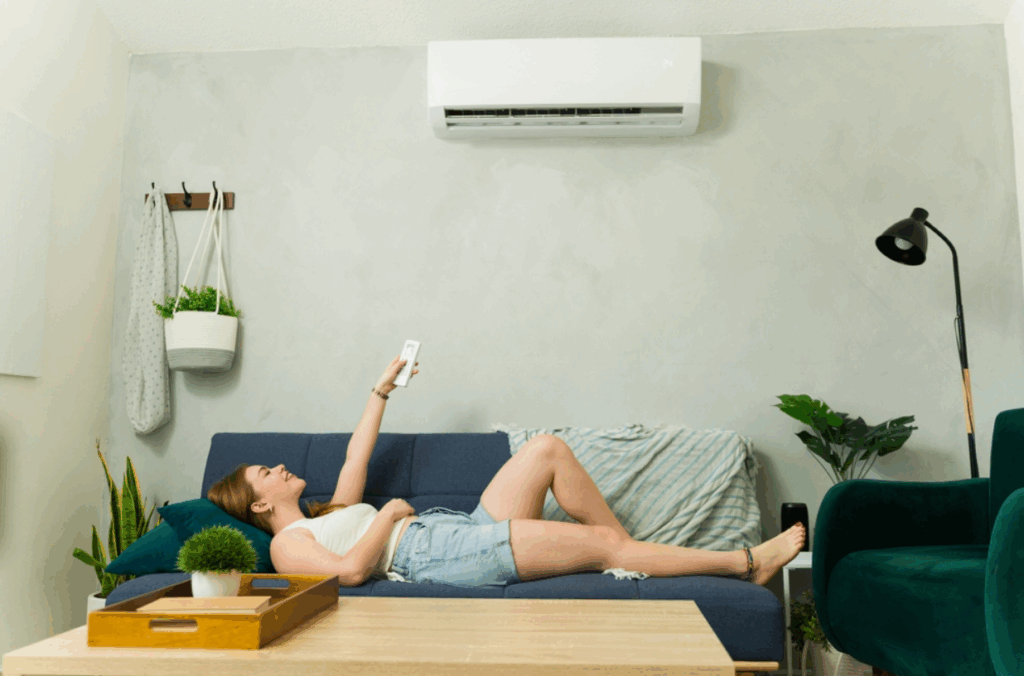
1. Get your Air Conditioning Ready for the Season
If you haven’t gotten your AC booked for its recommended annual servicing yet, then now is the perfect time to do so. Faulty AC units can not only leave your home feeling stiflingly hot on the worst days, but they also pose serious risks of monoxide leaks, negative impacts to interior air quality, and even mould growth and moisture build-up in your walls and ceiling cavity.
Thankfully, all that needs to be done here is to phone up your local HVAC specialist or electrician in Melbourne to make sure your AC units are all in good working order before the next heatwave strikes. And if you feel like you could actually do with an AC upgrade, then be sure to inquire about this with your sparkie too.
2. Make sure your Property is Bushfire-Ready
Whilst bushfire preparedness isn’t so much of a concern for many Melburnians living in the metropolitan region, the windy conditions of high fire risk days have been known to blow ash and cinders into the city outskirts. This means that if your property has unkempt tree cover or bushes/shrubbery, you may even find a few fires starting in your own backyard!
So consider a little garden maintenance to be an essential component of getting your home ready for the summer – both before and after your AC servicing and maintenance. In fact, it’s recommended that you cut your grass and trim hedges at least once a week and clear plant debris as needed to reduce the risks of your garden accruing too much accidental kindling.
3. Check UV Ratings Daily
Don’t be fooled by the cloud cover – even overcast days can have high UV ratings. UV radiation also doesn’t just penetrate through cloud cover, but solar reflections off cloud surfaces can even intensify UV, which means that you can get sunburnt without even feeling hot. With this knowledge in mind, it’s clearer to see why sunburn is one of the biggest threats to the health of all Victorians.
It’s crucial to check UV ratings before stepping out every day, and packing sunscreen along with you. As a general rule of thumb, if the UV Index is a 3 or higher, then you will need to step out with sun protection (i.e. long sleeved clothing, sunscreen, and eye protection).
Keep in mind too that exposure to harsh sunlight on high UV days can strip your skin of its natural moisture. Here, a lightweight, water-based moisturiser can help prevent drying or flaking skin over the summer months. Look for products with hyaluronic acid, which can hold up to 1,000 times its weight in water, to keep your skin plump and hydrated without feeling greasy.
4. Exfoliate, But Don’t Overdo It
Between all the sweat, sand and SPF you’re wearing, summer can be pretty tough on your skin. Exfoliation is key to removing dead skin cells and keeping your complexion smooth and vibrant, but there’s a catch — you don’t want to overdo it. Over-exfoliating can leave your skin stripped of its natural oils, leading to irritation, redness, or even breakouts.
So, stick to gentle exfoliation once or twice a week, depending on your skin type. An exfoliator with alpha hydroxy acids (AHAs) or beta hydroxy acids (BHAs) is a great way to encourage cell turnover and help slough away at dead skin sitting on the surface, revealing brighter, healthier-looking skin underneath.
For an even gentler option, try a sugar scrub or a konjac sponge for physical exfoliation. Remember — the goal here is to buff away the bad, not strip away the good and sabotage your skin’s natural moisture barrier.
5. SPF: Your Summer MVP
We know we’ve already mentioned sunscreen, but it really does deserve its own point. If you’re not slathering on SPF daily, you’re not only running the risk of experiencing sun damage to your skin, but also increasing your risk of being diagnosed with skin cancer. Sunscreen is the single most important product in your summer skincare arsenal, and it’s non-negotiable. Remember that skin cancers can grow on all bodies, and sometimes simply wearing long sleeves just isn’t enough either. You need genuine UV protection, as UV radiation can cut through even light cotton tees.
Foundations like the Cancer Council recommend opting for a broad-spectrum SPF of 30 or higher, and reapplying every two hours if you’re spending time outside. Whether you’re going to the beach, the pool, or even on a daytime hike where you’re likely to be crossing rivers or creeks, you’ll also definitely want to look for a water-resistant sunscreen formula.
And when applying, don’t overlook those frequently missed spots — behind your ears and neck and the tops of your feet. If you’re worried about looking greasy or having a white cast, there are plenty of lightweight, sheer formulas that will leave your skin looking matte and flawless.
6. Seek Shade & Rest When You Need To
Last but not least, heed the SunSmart mantra ‘Slip, Slop, Slap, Seek, Slide’ wherever and whenever you can over these coming summer months. Alongside applying sunscreen regularly, beachgoers and picnickers alike this summer should seek out shade routinely throughout the day to reduce their risks of not only getting sunburnt, but also getting dehydrated or experiencing heatstroke due to excess heat and sun exposure. If you ever begin to feel lightheaded when out and about this season, be sure to listen to your body, and find a shady spot to sit down and drink some water. If the symptoms of lightheadedness continue, consider seeking assistance from a friend or family member, a passerby, or even phoning 000 to secure support from paramedics if needed.
And if you happen to see symptoms of dehydration or heatstroke in others, then offer assistance to them in turn. Your quick thinking may help save a friend or loved one from a trip to the ER this summer.
Stay Sun-Safe & Heat-Safe Both Indoors & Out this Summer
Taking time for self-care can make all the difference in how you feel in your own skin this summer, whether you’re in or out of the house. With a conscientious approach to summer preparedness that includes protecting your home’s interiors as well as your skin and hydration levels, you can make sure this summer brings nothing but sun-safe fun and memories you’ll carry with you all throughout the rest of the year and beyond.