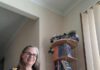
As our society progresses into a more inclusive and welcoming environment, it is important that we make a conscious effort to ensure the language we use towards others is appropriate. Rather than relating to concepts such as profanities, this is in reference to the way we address or describe people with disabilities.
Like fashion crazes, music styles and interior design trends, language tends to change and update with time. New words and phrases are introduced into our vocabularies to reflect the times we live in.
Terms like ‘handicapped,’ ‘physically challenged’ and ‘wheelchair-bound’ are heading away from being the accepted way to refer to people who have a disability, while the use of phrases like ‘suffering from’ or ‘afflicted with’ are generally deemed offensive in today’s language.
Avoid the use of words and phrases such as crippled, a victim of, unfortunate, suffering from, incapacitated or worse, words that have evolved from historically medical terms to become hurtful slurs. Using the word ‘normal’ is also, depending on context, one that should generally be avoided when referring to people with a disability.
Using proper terminology is empowering, while outdated terminology is hurtful and offensive.
Instead of defining someone by an impairment or disability they may have, try to first recognise that they are a person above all else. They are not disabled, they have a disability – in the same way that someone is not brown hair, but rather they have brown hair.
Instead of saying ‘a blind person’ or ‘a quadriplegic’, perhaps consider rephrasing to ‘a person who is blind or has a vision impairment, or ‘a person that has quadriplegia.’ Similarly, this concept also applies to medical conditions such as asthma and cancer – instead of ‘she suffers from asthma,’ instead use ‘she has asthma.’ Rather than ‘a cancer patient,’ use ‘a person with cancer.’
It is in this way that we are not defining someone by any disability that they may have, but rather recognising that it is simply a feature of who they are.
One of the best ways to address or refer to people with a disability is to start with ‘a person,’ as you are affirming their humanity first and foremost. You can then go on to say ‘…that uses a wheelchair,’ ‘…with a hearing impairment,’ or whatever their disability may be.
Language and terminology will continually evolve, as do all other aspects of our society, and is something that we all have a duty to remain aware of. It is important to take note of the terms that the person with the disability uses to describe or refer to themselves, and then use those terms accordingly. It all comes down to each person’s own preference and we should respect everyone’s preferred way of self-identification.