


The way Victorians use energy at home is changing all the time, and nowhere is that more evident than in the state’s approach to residential gas. With new legislation now in effect and a growing push toward electrification, homeowners and buyers are having to deal with a very different landscape from even a few years ago.
Understanding what the rules mean, how to identify gas systems in older homes, and how to stay safe if you still rely on gas is becoming important knowledge, particularly for residents in growth areas like Pakenham and the wider Cardinia region.
Victoria’s Move Away From Gas
From 1 January 2024, the Victorian Government introduced legislation that prohibits gas connections in new homes and residential subdivisions that require a planning permit. This means any newly approved build must be fully electric, covering everything from heating and cooling to hot water and cooking.
The shift is part of the state’s broader strategy to reach net zero emissions. Gas has long been a staple in Victorian homes, but it is also a significant contributor to household emissions. Electrification, especially when paired with renewable energy, offers a cleaner and increasingly cost-effective alternative. For new homeowners, this change simplifies future energy decisions and reduces long-term running costs.
How To Tell If An Established Home Uses Gas
If you are moving into an existing home in Pakenham, Officer, Beaconsfield or anywhere across Cardinia, it is worth taking a moment to determine whether the property uses gas. Many homes still rely on gas for heating, hot water or cooking, and knowing what is installed helps you plan for maintenance, upgrades or future electrification.
A quick checklist can make it all easier:
1) Look for a gas meter
Most gas-connected homes have a gas meter located outside the house, usually near the front boundary or along a side wall. It will typically have a metal casing, a dial or even a digital display, and pipes leading into the home.
2) Check the cooktop
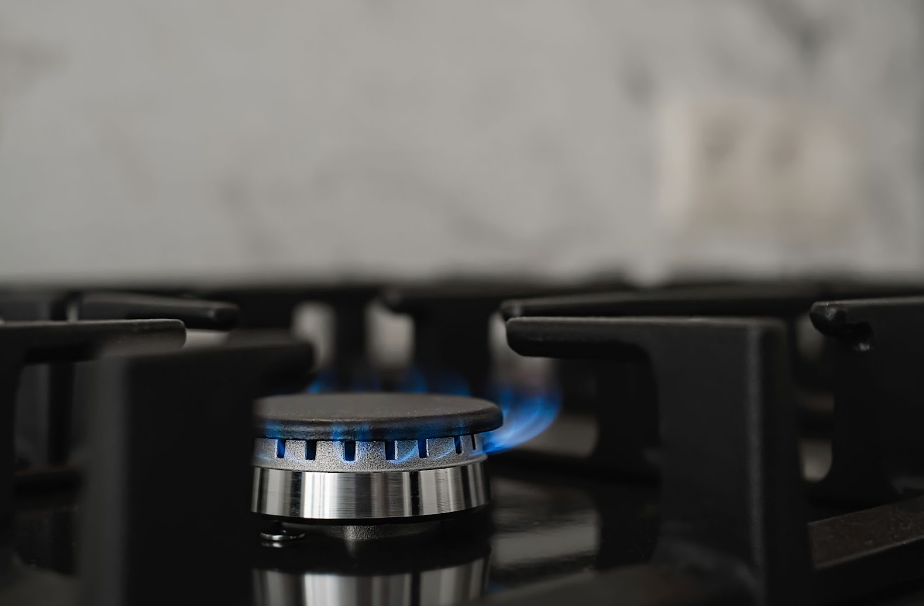
Gas cooktops produce a visible flame. If you turn on a burner and see a blue flame, the kitchen appliance is gas-powered. Electric and induction cooktops, by contrast, have flat glass surfaces with no flame. This is usually an obvious thing to look for; when houses have an electric stove, it’s more likely the rest of their appliances follow suit.
3) Inspect the hot water system
Hot water units can be a giveaway.
- Storage gas systems usually have a large cylindrical tank outside with a vent or flue.
Continuous flow gas systems are smaller wall-mounted units with a visible gas line and sometimes a digital temperature display. 4) Review the heating setup
Ducted gas heating systems often have a large external unit connected to ducting in the roof or under the floor. Wall furnaces and space heaters may also run on gas.
5) Ask for utility information
If you are unsure, request recent utility bills or ask the agent or previous owner. Gas usage will appear as a separate account from electricity.
Understanding what is already in place helps you make informed decisions about maintenance, upgrades or transitioning to electric alternatives over time.
Why Gas Safety Still Matters
Even as Victoria moves toward an all-electric future, thousands of households continue to rely on gas systems. For these residents, safety remains a top priority. Gas leaks, while uncommon, can pose serious risks including fire, explosion or carbon monoxide exposure.
Being able to recognise the early signs of a leak is crucial:
- A sulphur-like or rotten egg smell around appliances or outdoor lines
- Hissing or whistling sounds near pipes, meters or connections
- Dead or dying patches of grass above underground gas lines
- Higher-than-usual gas bills without a change in usage
- Headaches or dizziness when appliances are running, which may indicate poor ventilation or carbon monoxide issues
If you notice any of these signs, it is important not to ignore them. Gas leaks rarely resolve on their own and can escalate very quickly. Professional assessment is essential, and services specialising in gas leak detection in Melbourne can pinpoint issues accurately and safely.
The Importance Of Professional Support
While homeowners can keep an eye out for warning signs, only licensed gasfitters and qualified technicians should inspect, repair or replace gas systems. They have the equipment to detect leaks, test pressure levels, and ensure appliances are compliant with current safety standards.
Regular servicing is also recommended. Many experts suggest annual checks for gas heaters and hot water systems, particularly before winter when usage increases. This not only improves safety but can also extend the life of your appliances and improve efficiency.
Victoria’s shift away from gas is a significant change, but it also presents opportunities. New homes will benefit from simpler, cleaner energy systems, while owners of established homes can plan gradual upgrades that improve comfort and reduce emissions. Whether you are buying, renting or renovating, understanding how gas fits into your home’s energy profile helps you make confident, informed decisions.
For those still using gas, vigilance and professional support remain essential. And for those moving into the next generation of all-electric homes, the transition marks a meaningful step toward a more sustainable future for Victoria.